
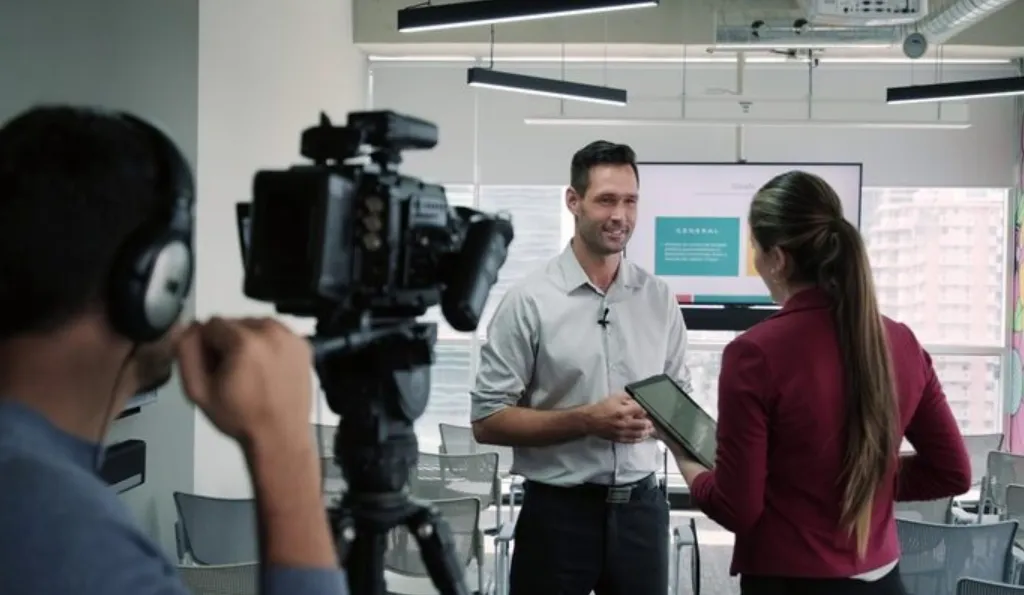
A company video production strategy can help a brand explain its identity, services, people, and values without relying only on written information. Video allows businesses to combine interviews, workplace scenes, products, demonstrations, graphics, and locations into one clear story. For companies operating in Korea, this approach can introduce teams to customers or partners overseas. The process works best when the main message is decided before filming, allowing every visual choice to support the purpose without making the final content crowded.
Define the Main Purpose
A business video should begin with a clear reason for being created. Some companies want to introduce their organisation, while others need to explain a service, present a product, attract employees, or share workplace culture. Each goal can change the tone, length, locations, interview style, and supporting footage required. Defining the objective early helps the production team make practical decisions. It also prevents unnecessary information from taking over, keeping the story focused while giving viewers useful context about the company.
Create a Genuine Brand Story
A strong brand story usually feels connected to real people and activities instead of sounding like a long advertisement. Employees can explain their responsibilities, managers can discuss company direction, and scenes can show everyday operations. Small details may add personality, including team discussions, product handling, or ordinary workplace moments. These elements can make corporate content feel more natural and relatable. Rather than presenting polished claims alone, the video can give viewers a clearer picture of people and processes behind the brand.
Select Locations With Purpose
Location selection should support the story rather than exist only because a place looks attractive. An office, studio, workshop, retail space, production facility, or outdoor setting can communicate something different about a business. Seoul offers modern commercial areas alongside traditional neighbourhoods and distinctive urban environments. Practical factors matter too, including access, noise, lighting, space, transport, and filming permissions. Checking these details before production helps the crew prepare properly and reduces changes that could interrupt the schedule or affect important scenes.
Use Media Production Services Wisely
Professional media production services can support different stages of a project, from creative development and scheduling to filming and post-production. Businesses may need assistance with scripting, location scouting, crew hiring, equipment, interviews, editing, sound, colour grading, subtitles, or translation. Not every project requires every service, so the approach should match the goals and resources involved. For international companies filming in Korea, local support can connect overseas planning with practical arrangements, making communication easier while keeping creative tasks organised.
Prepare Interviews Carefully
Interviews can give a company video a human element, but they need preparation to produce useful material. Questions should encourage specific explanations, examples, and experiences instead of general advertising statements. The filming environment matters because background noise, poor lighting, or uncomfortable seating can affect recording quality. Interviewees should understand the video’s purpose and have enough time to settle before recording. When interviews feel natural, editors have stronger material to shape later, helping the final story feel informative, personal, and relevant.
Capture Supporting Footage
Supporting footage gives editors more flexibility and helps connect different parts of the story. Depending on the business, this could include employees working, products being handled, customers interacting, meetings taking place, equipment operating, or exterior shots establishing the location. These scenes should relate to the message instead of being collected randomly. Capturing different angles and activities can help cover interview edits and create smoother transitions. When filming in Korea, environmental footage can add a sense of place for international audiences.
Consider the Intended Audience
The intended audience should influence production decisions from the beginning rather than only during editing. A video created for Korean customers may need different language treatment from one designed for international clients, employees, or partners. Businesses should decide early whether subtitles, translations, graphics, voiceovers, or multiple versions will be necessary. Planning these requirements before filming can influence interviews, visuals, and delivery formats. It also helps avoid discovering later that important information is difficult to translate or additional footage is needed.
Conclusion
A strong company video connects a clear message with genuine people, useful visuals, suitable locations, and careful planning. The production does not need complicated techniques in every scene to keep viewers interested. Strong results often come from understanding the audience and building the visual story around its needs. Posted-productions.com supports production projects in Korea, helping businesses and international teams manage creative and practical requirements. With thoughtful planning and local support, brands can create visual content that presents their identity clearly.
