
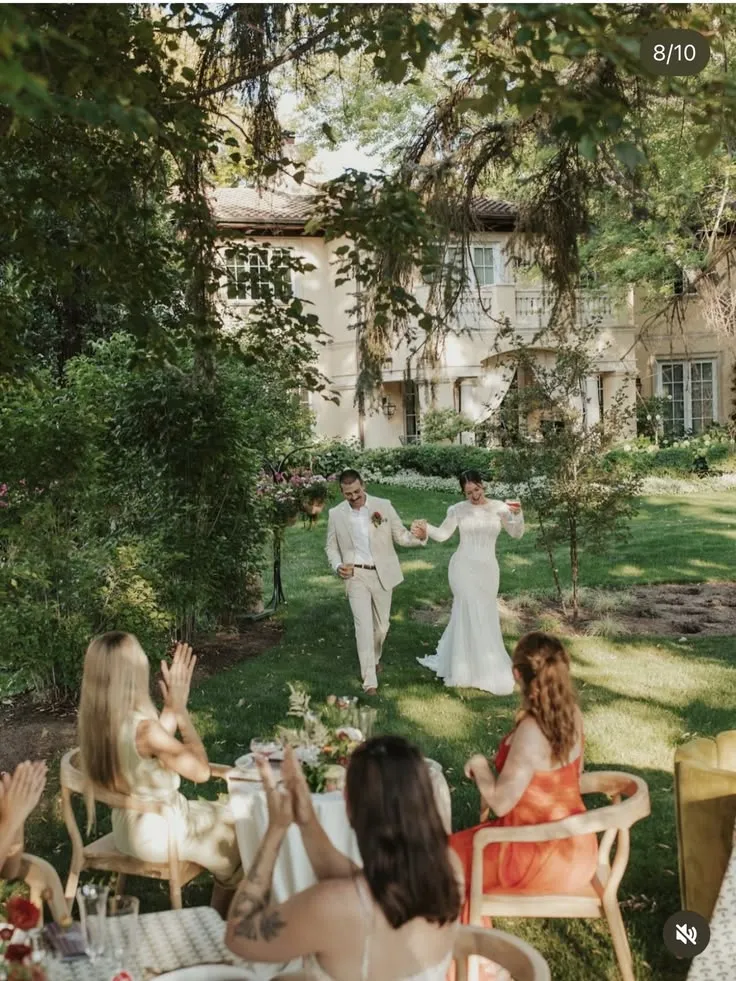
Brunch weddings follow a very different rhythm from traditional evening celebrations. Ceremonies may begin in the morning, portraits happen under brighter daylight, and the reception can move from coffee and cocktails to speeches, cake, and dancing before the afternoon is over. That earlier schedule can feel distinctive, but it changes how photography should be planned. Couples who understand the timing, light, and energy of a daytime wedding can create a visual story that feels intentional instead of simply shifting an evening timeline several hours earlier.
Start With the Morning Light
Getting ready for a brunch wedding often begins very early, sometimes before sunrise. That means preparation spaces may have limited natural light when hair, makeup, clothing, and details are first being photographed.
Couples planning Asheville Wedding Photography should consider where daylight will enter once the morning progresses and whether the room also has attractive artificial lighting. A bright window may become useful later, but the earliest photographs could depend on lamps or professional lighting. Keeping the room organized also helps when there is less time between waking up and leaving for the ceremony.
Build More Time Into the Early Schedule
Morning weddings can feel deceptively simple because the day starts sooner and finishes sooner. In reality, early ceremonies require the same preparation tasks as evening weddings, only compressed into the first part of the day.
Hair and makeup may need to begin before breakfast, transportation must run on time, and family members need clear arrival instructions. A delay at 8:00 a.m. can quickly affect a 10:00 a.m. ceremony. Couples should therefore work backward from the ceremony rather than merely moving an evening schedule earlier.
Plan Portraits for Brighter Conditions
Mid-morning and midday light can be stronger than the soft evening conditions often associated with wedding portraits. That is not a problem, but it changes where photographs may work best.
A Hendersonville Wedding Photographer can use open shade, covered porches, interior window light, architecture, or tree-lined areas to create flattering portraits during brighter hours. Couples do not need to avoid outdoor photographs. They simply benefit from selecting locations based on the actual light available instead of expecting every portrait to resemble a sunset session.
Let the Reception Feel Like Daytime
A brunch reception does not need to imitate an evening party. Daylight can become part of its identity. Garden spaces, terraces, bright dining rooms, coffee stations, and fresh florals can all photograph beautifully when the celebration embraces the time of day.
Couples may choose acoustic music, lawn games, a relaxed meal, or a shorter dance set instead of waiting for the room to become dark. Photography can reflect that lighter energy rather than trying to make the reception look like a nighttime event.
Think Differently About Traditions
Traditional reception events can still work at brunch, but their timing may need adjustment. Speeches might happen during the meal, cake can be served earlier, and a first dance may take place before guests settle into a long afternoon.
Couples should decide which traditions genuinely matter rather than including everything automatically. A shorter reception can still feel complete when the important moments are prioritized. Giving the photographer a clear order of events also helps quick transitions get documented without unnecessary interruptions.
Use the Afternoon for a Distinct Ending
One advantage of a brunch wedding is the opportunity for a different kind of departure. Instead of a late-night sparkler exit, couples might leave in daylight, continue to a casual after-party, or spend the afternoon privately together.
A daytime exit can include bubbles, permitted flower petals, a classic car, or simply guests gathering outside to say goodbye. The final photographs can feel celebratory without requiring darkness or elaborate lighting.
Prepare Guests for the Earlier Start
Guests may be accustomed to afternoon ceremonies, so a morning wedding requires clear communication. Invitations and wedding websites should make the ceremony time easy to notice, especially when travel or breakfast arrangements are involved.
Providing parking, transportation, and expected arrival information can reduce late entrances. When guests understand the schedule, the ceremony begins more smoothly and the photographer can focus on reactions and relationships rather than avoidable disruptions.
Conclusion
A brunch wedding succeeds when its photography plan reflects the character of a daytime celebration. Early preparation, stronger daylight, shorter reception timing, and an afternoon ending all require slightly different decisions from an evening event. Couples can make the experience easier by planning backward from the ceremony, choosing portrait locations for the available light, prioritizing the traditions they genuinely value, and helping guests understand the earlier schedule. When the day is designed around its own rhythm rather than copied from a nighttime wedding, the photographs can feel bright, cohesive, and distinctly personal.
